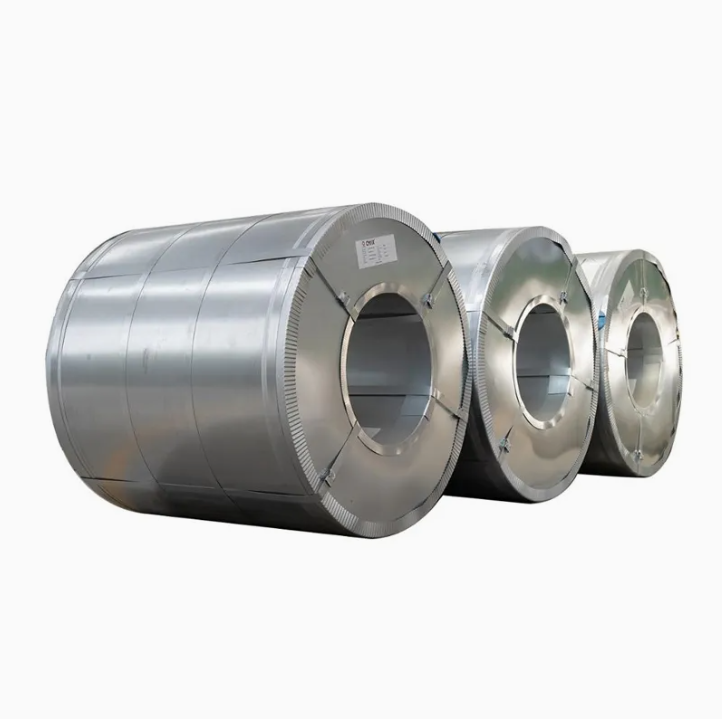
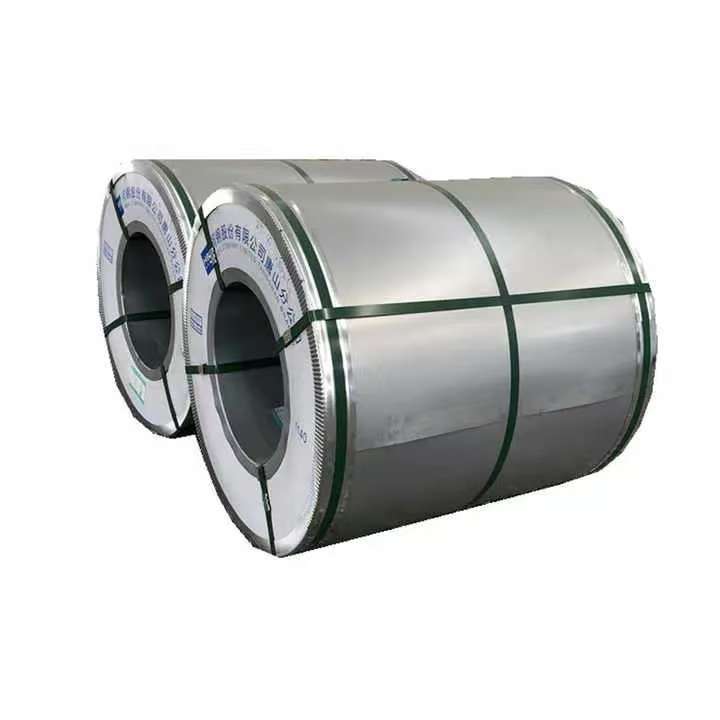
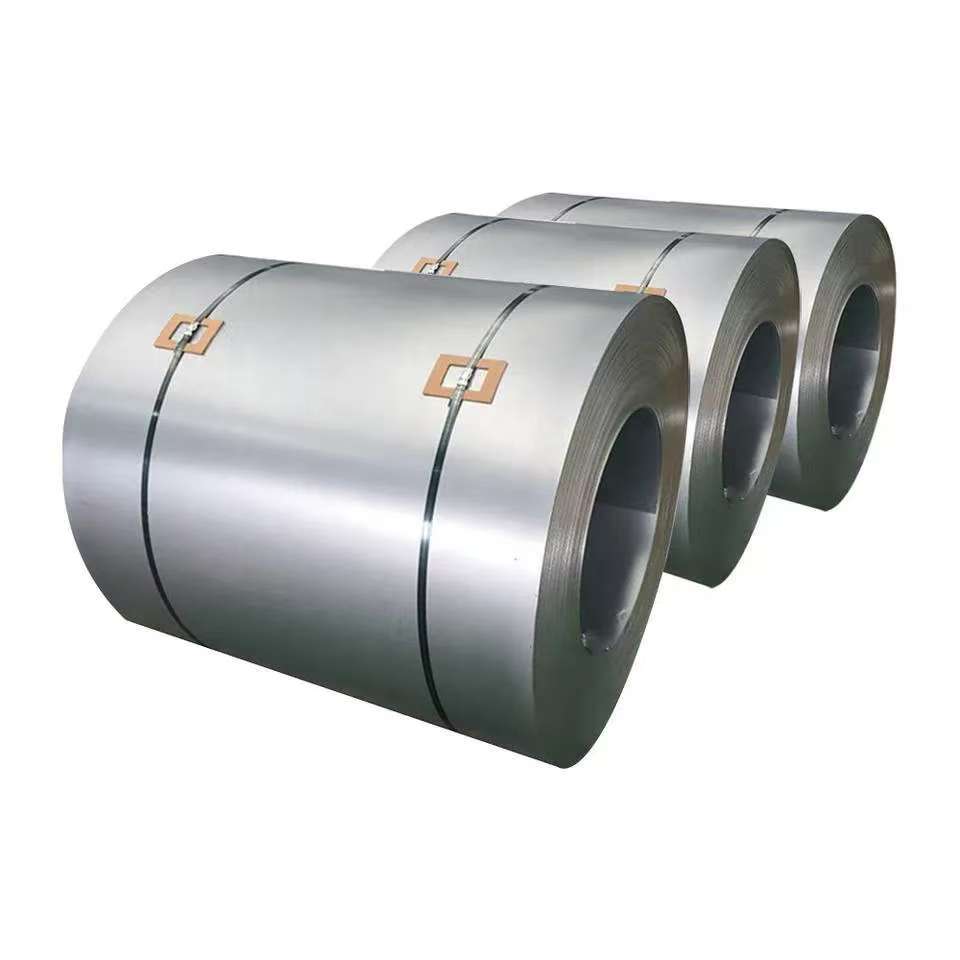
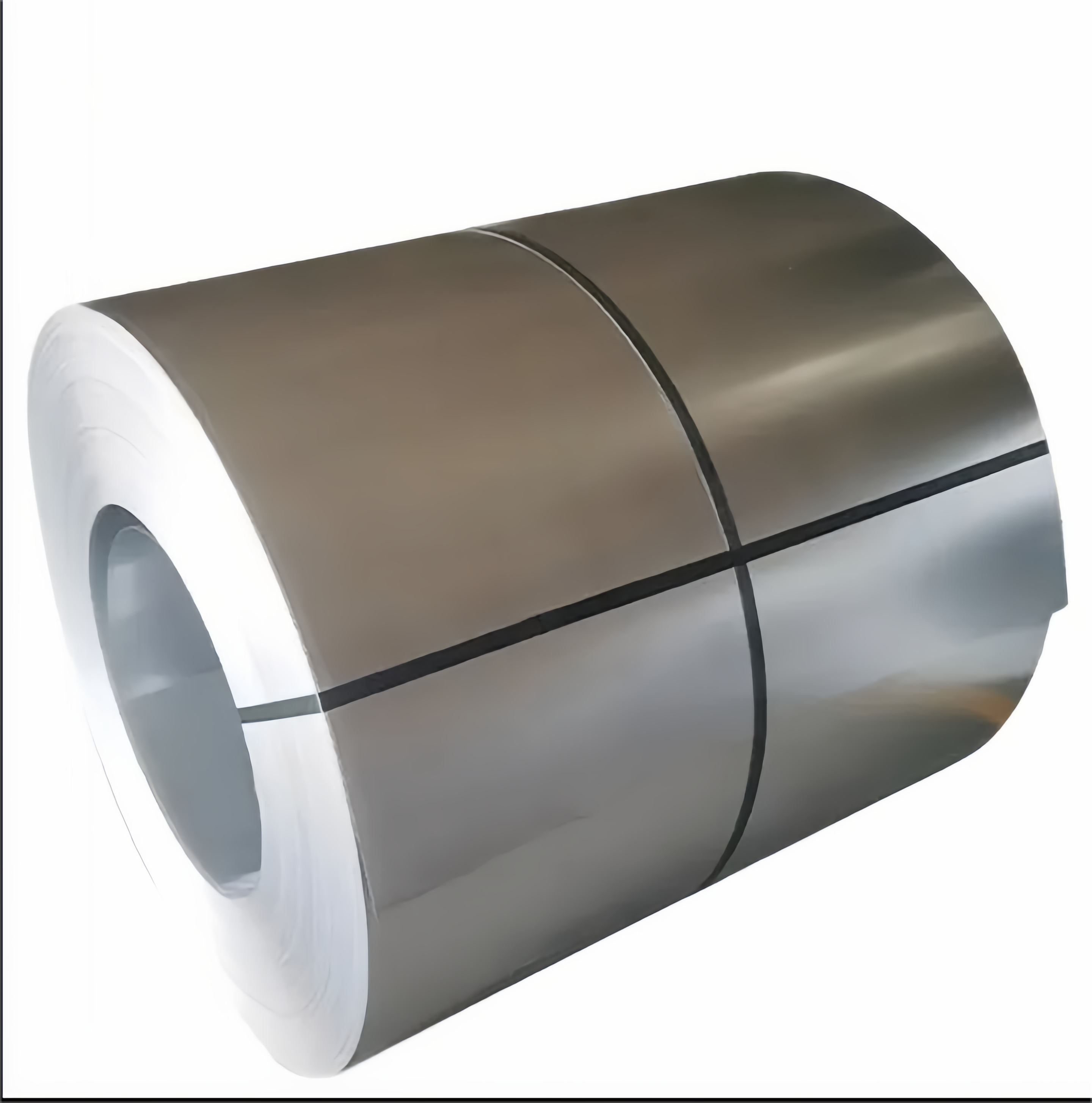


Essential details
MOQ:1Ton
Shipping:Sea transportation
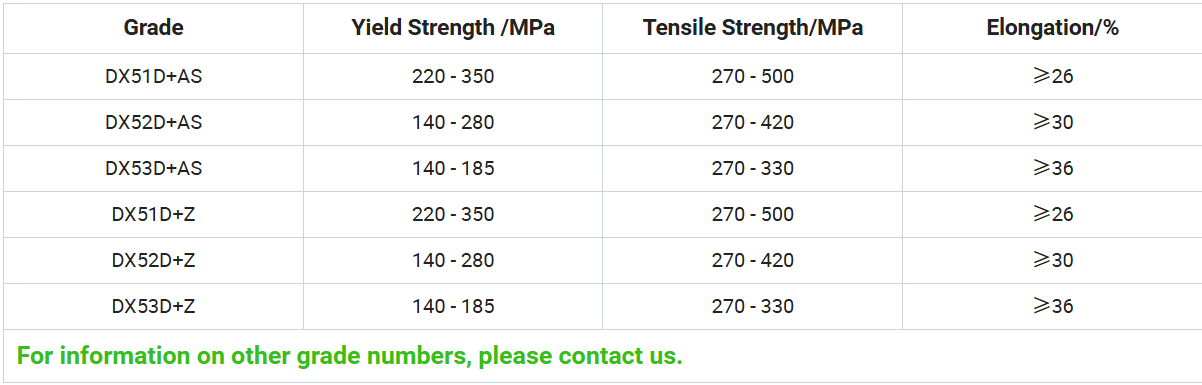
Specification Number:SA1C SA1D DX51D+AS DX51D+53Dn ASTM A 525 EN 10143
Package Description:PE Film+Vci Paper Wrapping, Plastic End Caps, Steel
Product Introduction
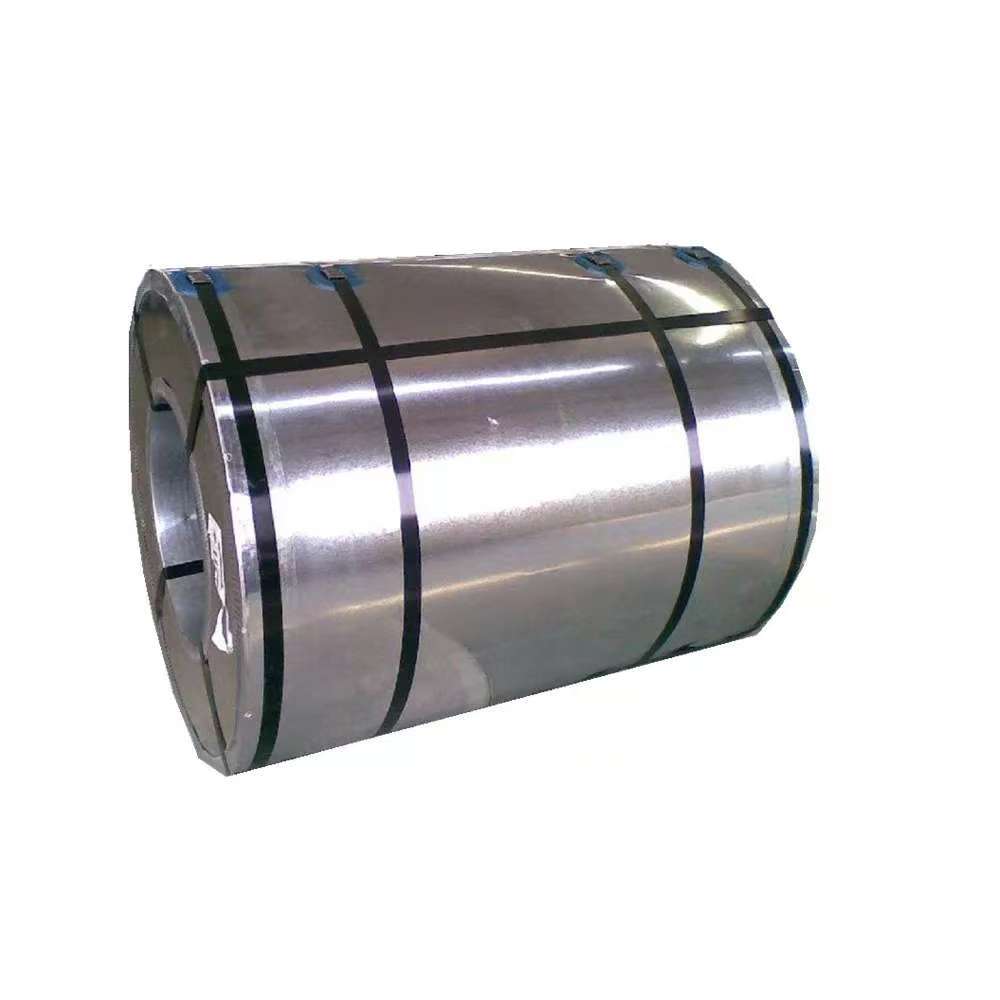
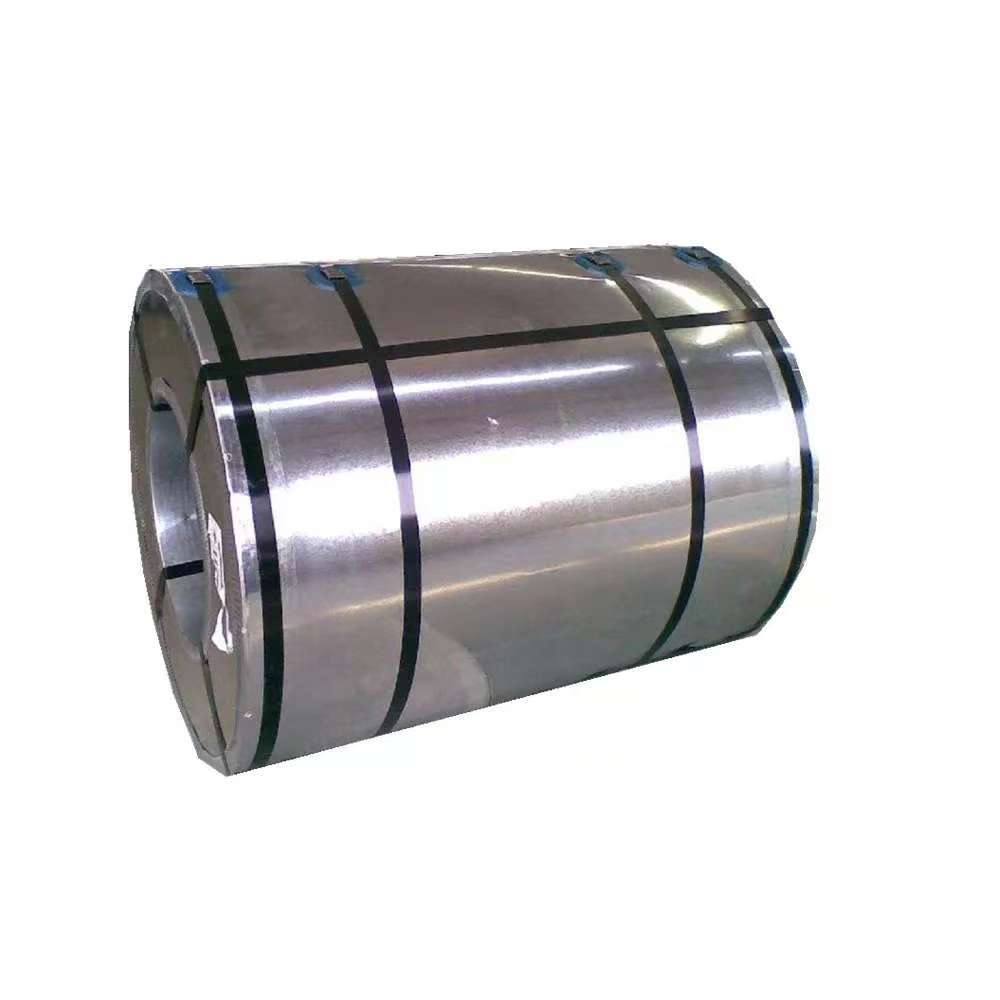
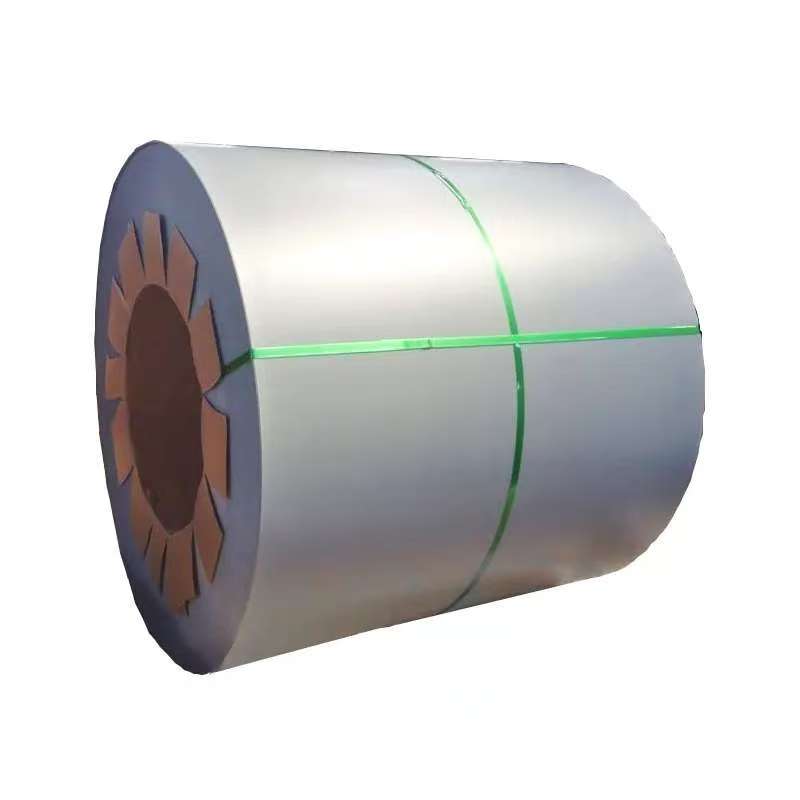
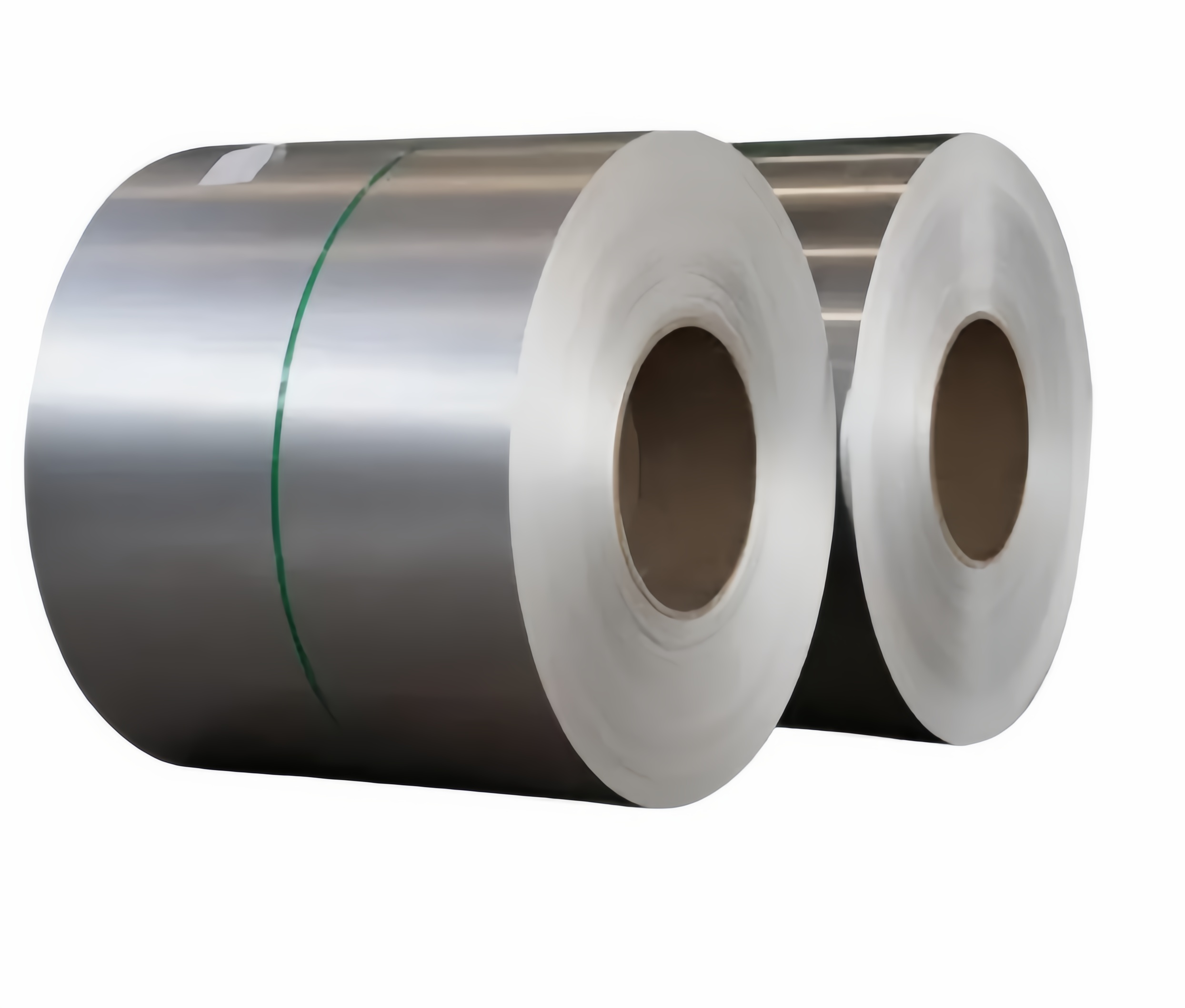
Hot-dip Aluminized Steel
- Hot-dip aluminized steel is a high-performance anti-corrosion steel product manufactured by immersing pretreated carbon steel or low-alloy steel into a molten aluminum or aluminum-silicon alloy bath (typically 95% Al + 5% Si). The process forms a two-layer metallurgical coating: a dense Fe-Al intermetallic compound layer (bonded tightly with the steel substrate) and a top aluminum alloy layer.
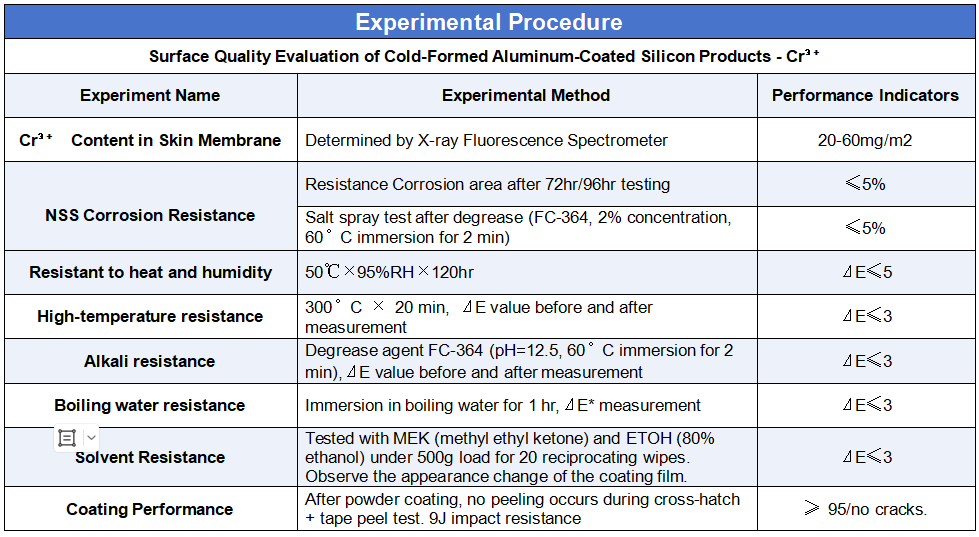
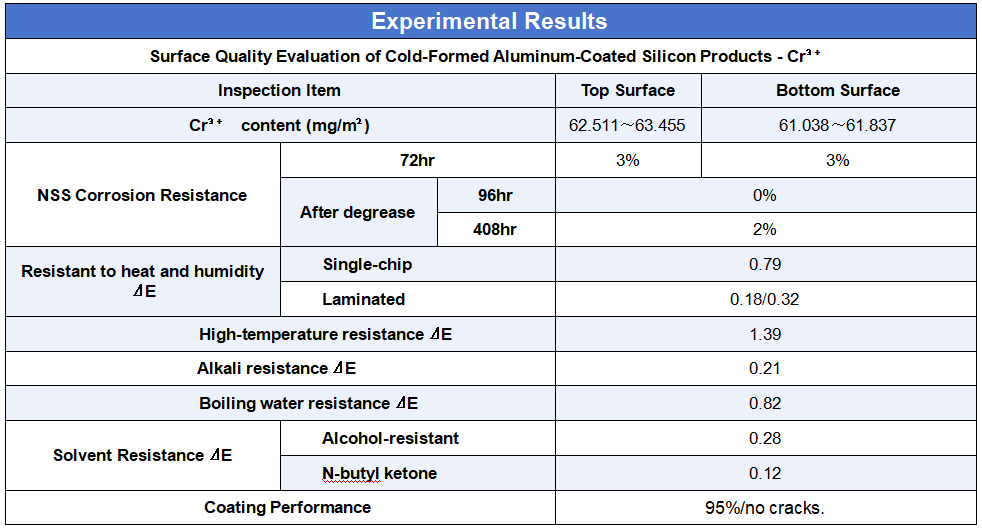
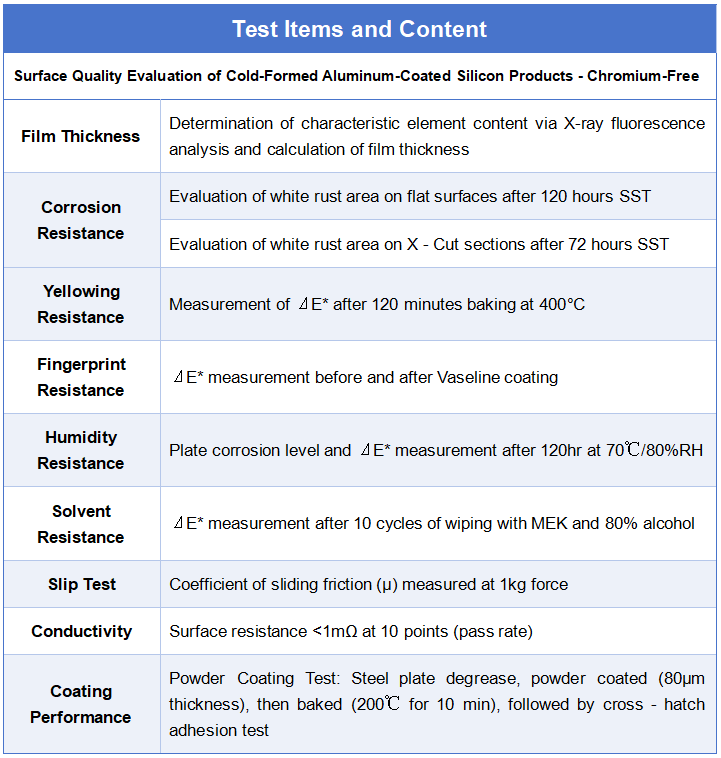
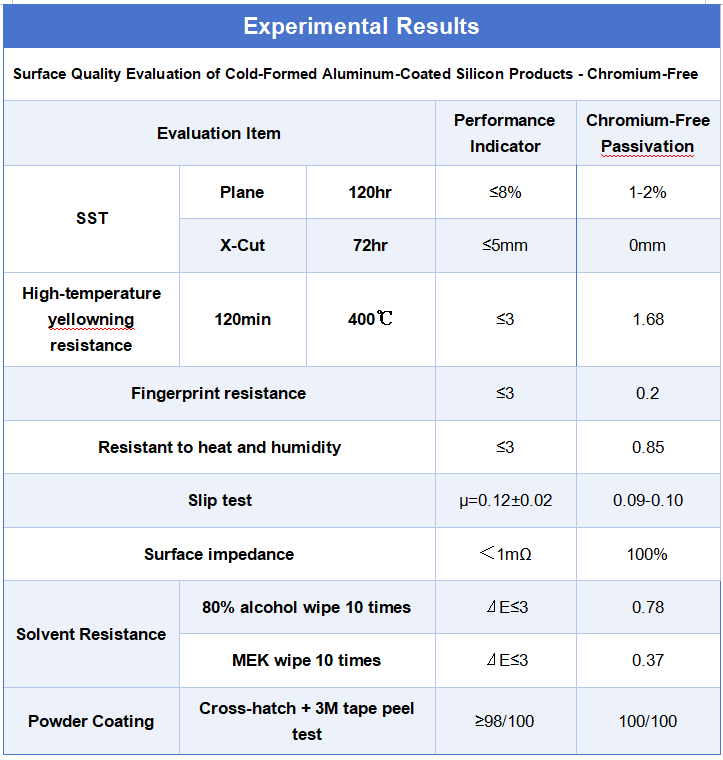
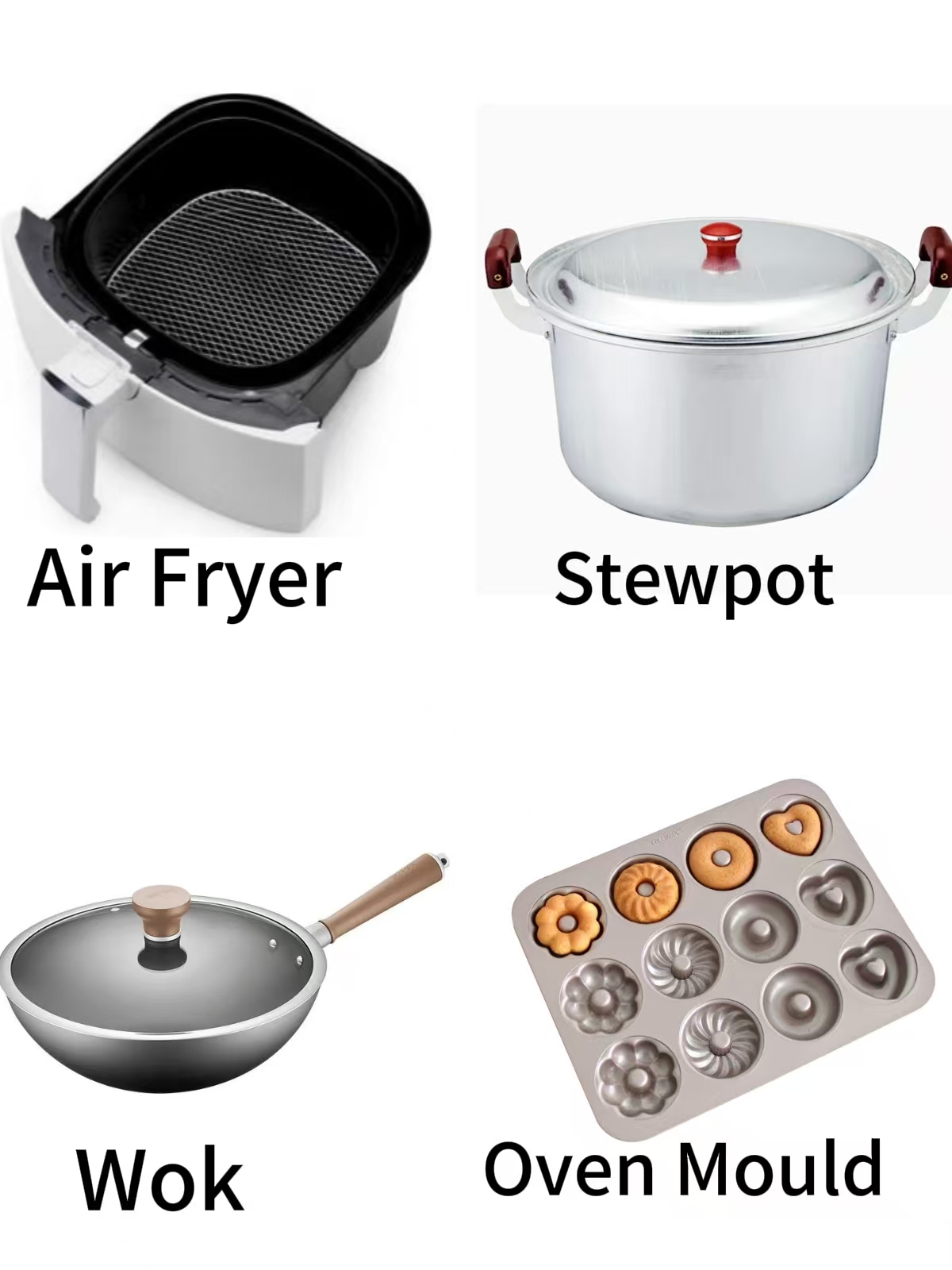
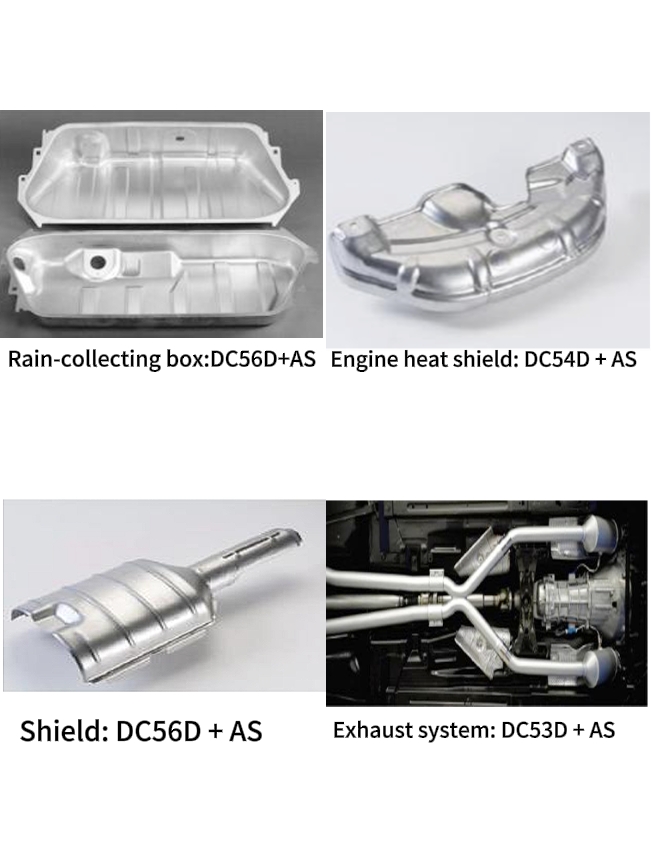
This product integrates excellent high-temperature corrosion resistance, atmospheric corrosion resistance, and mechanical processability, making it an ideal alternative to traditional hot-dip galvanized steel in high-temperature application scenarios. It is widely used in high-temperature equipment, automotive parts, and outdoor structural components, with a service life 2–3 times longer than that of ordinary carbon steel in harsh environments.Product performance test results document. For further inquiries about the product, please contact me.
Specification
Product details