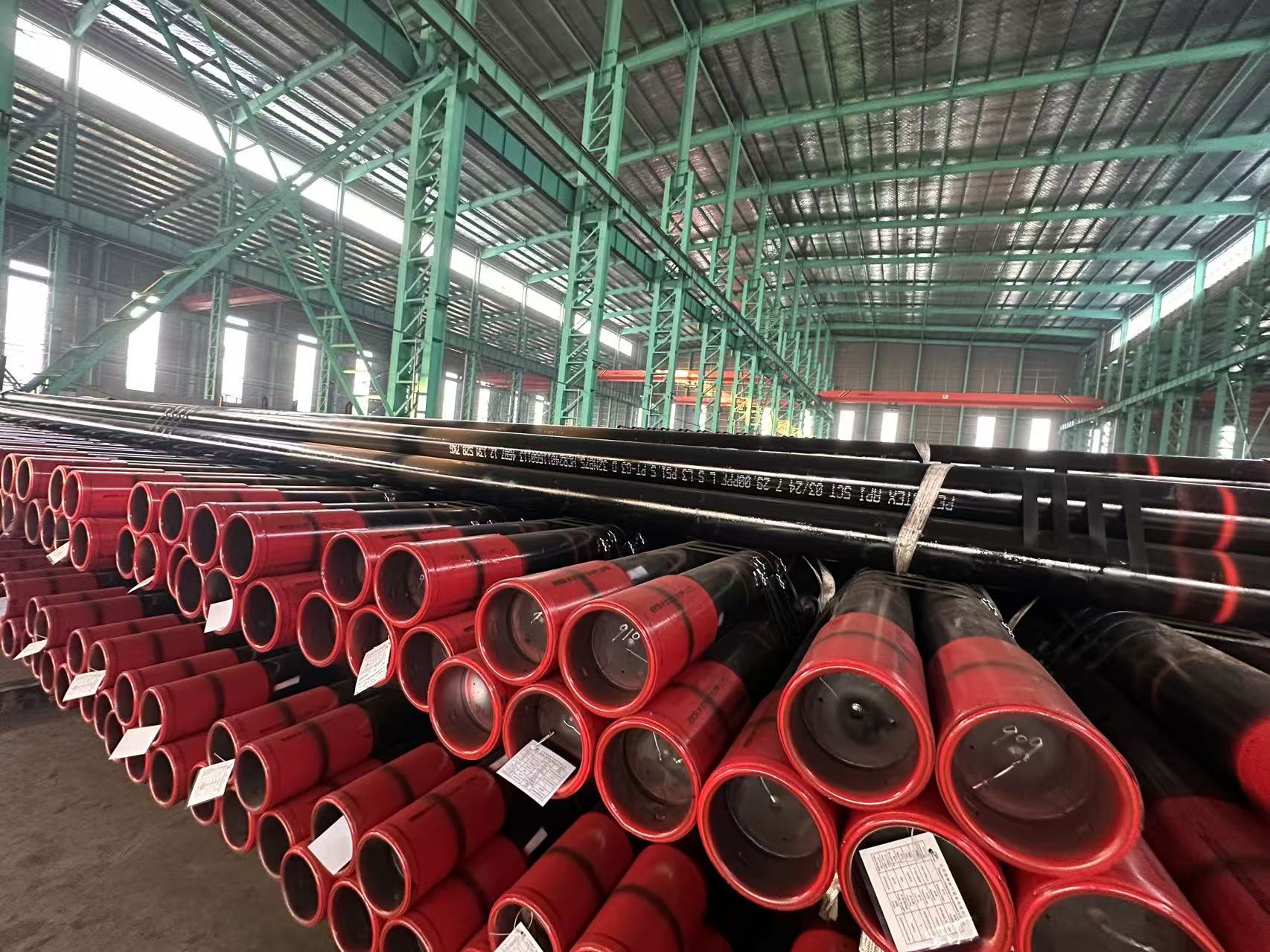
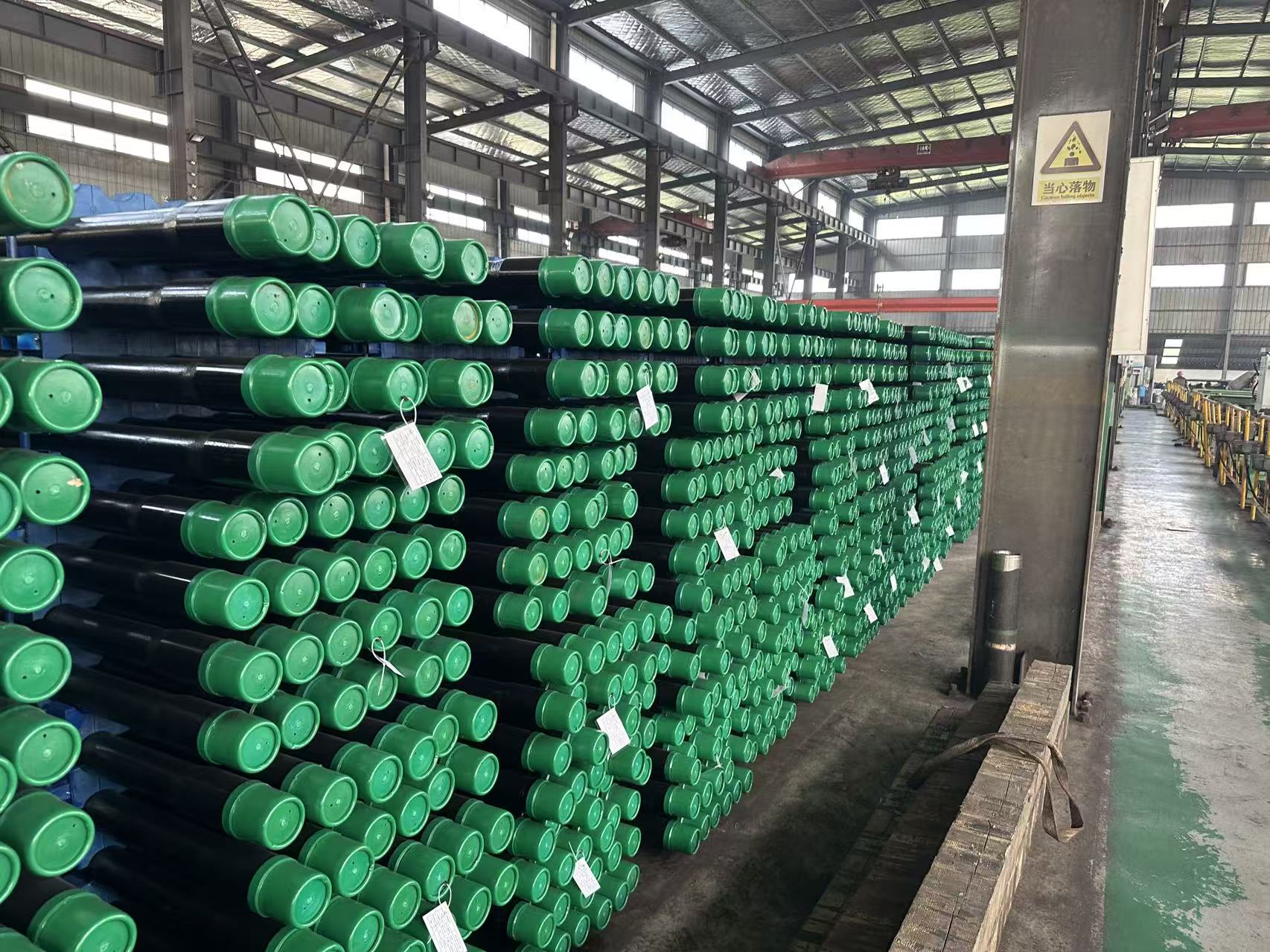
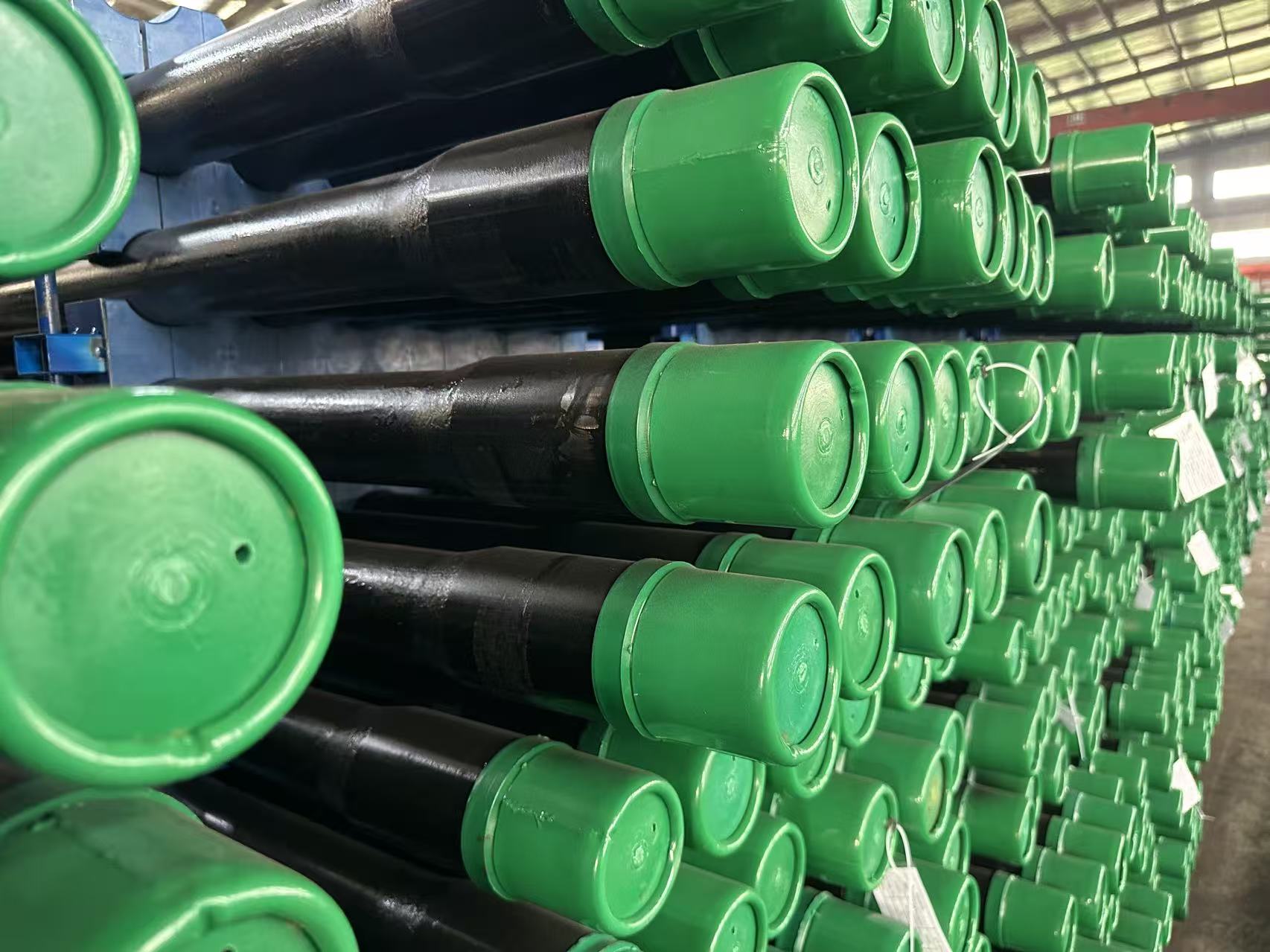
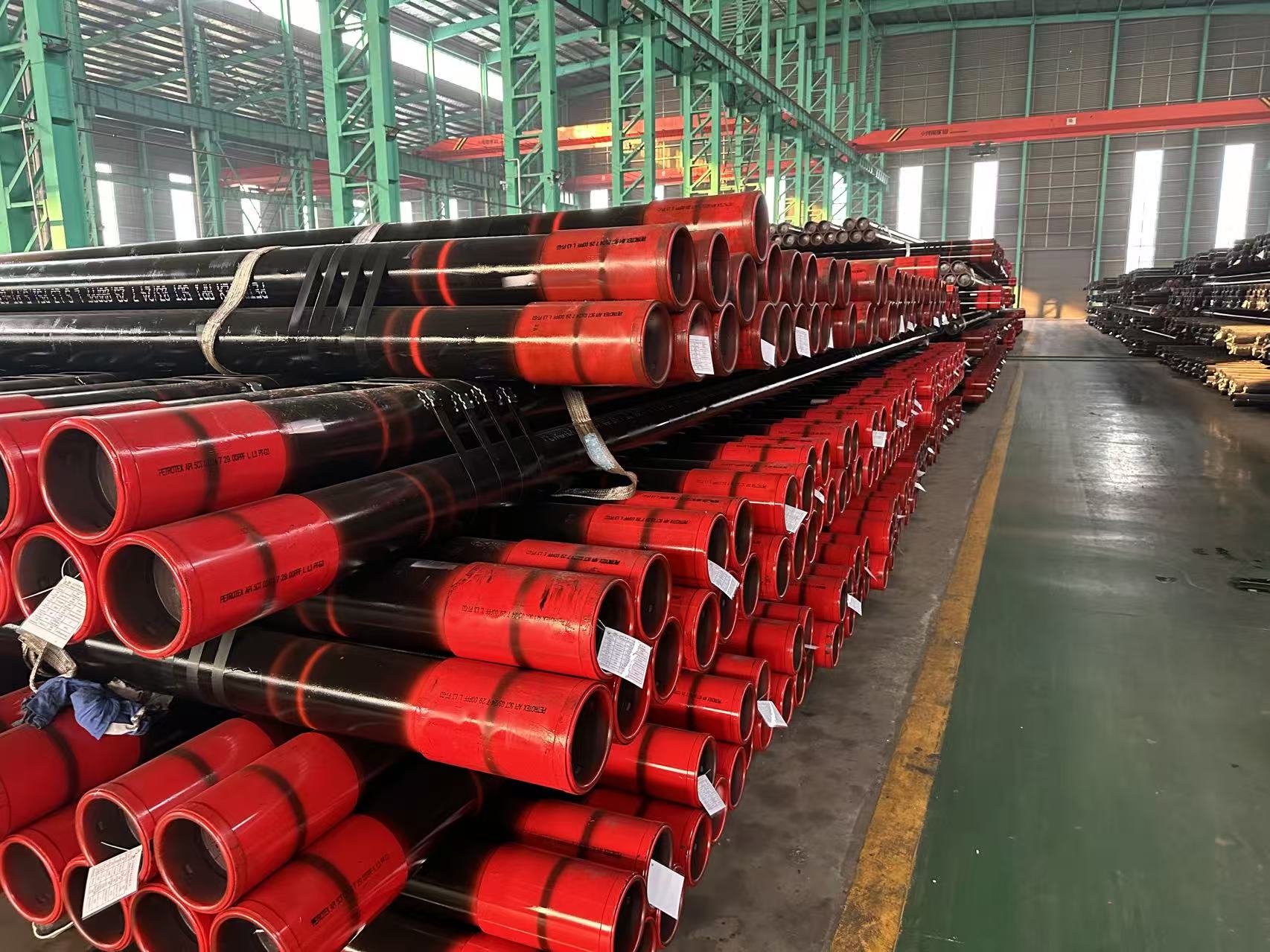
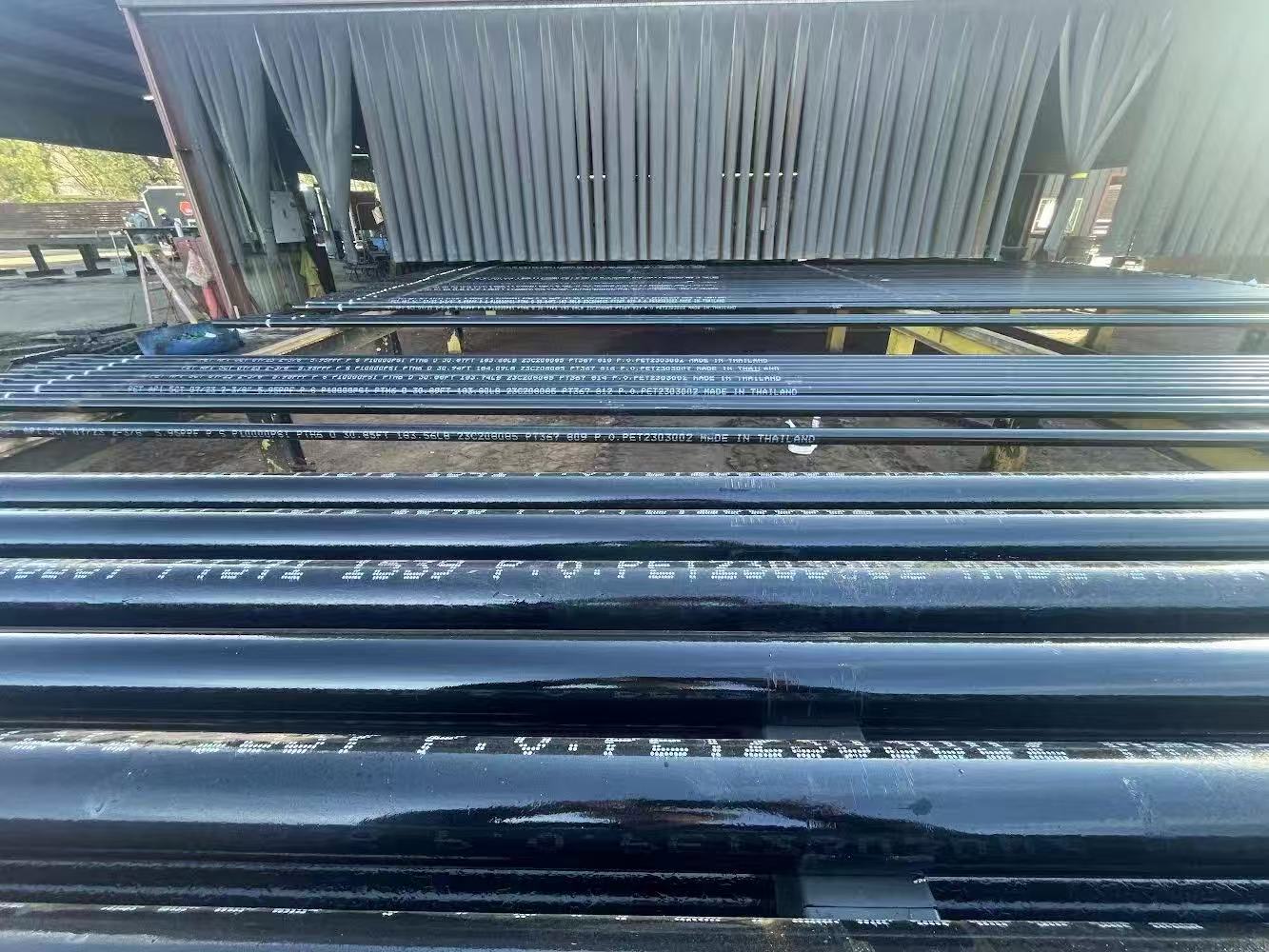
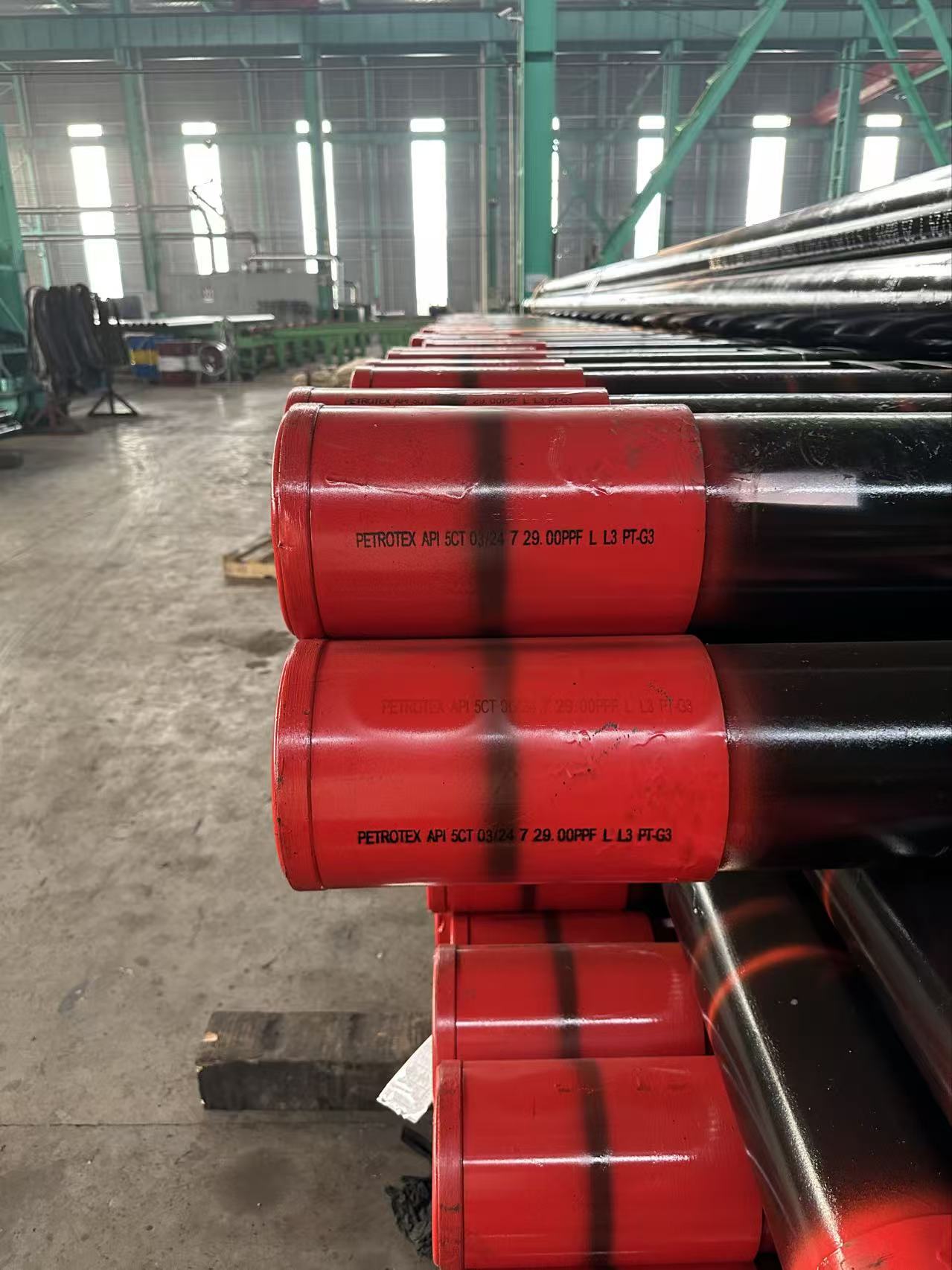
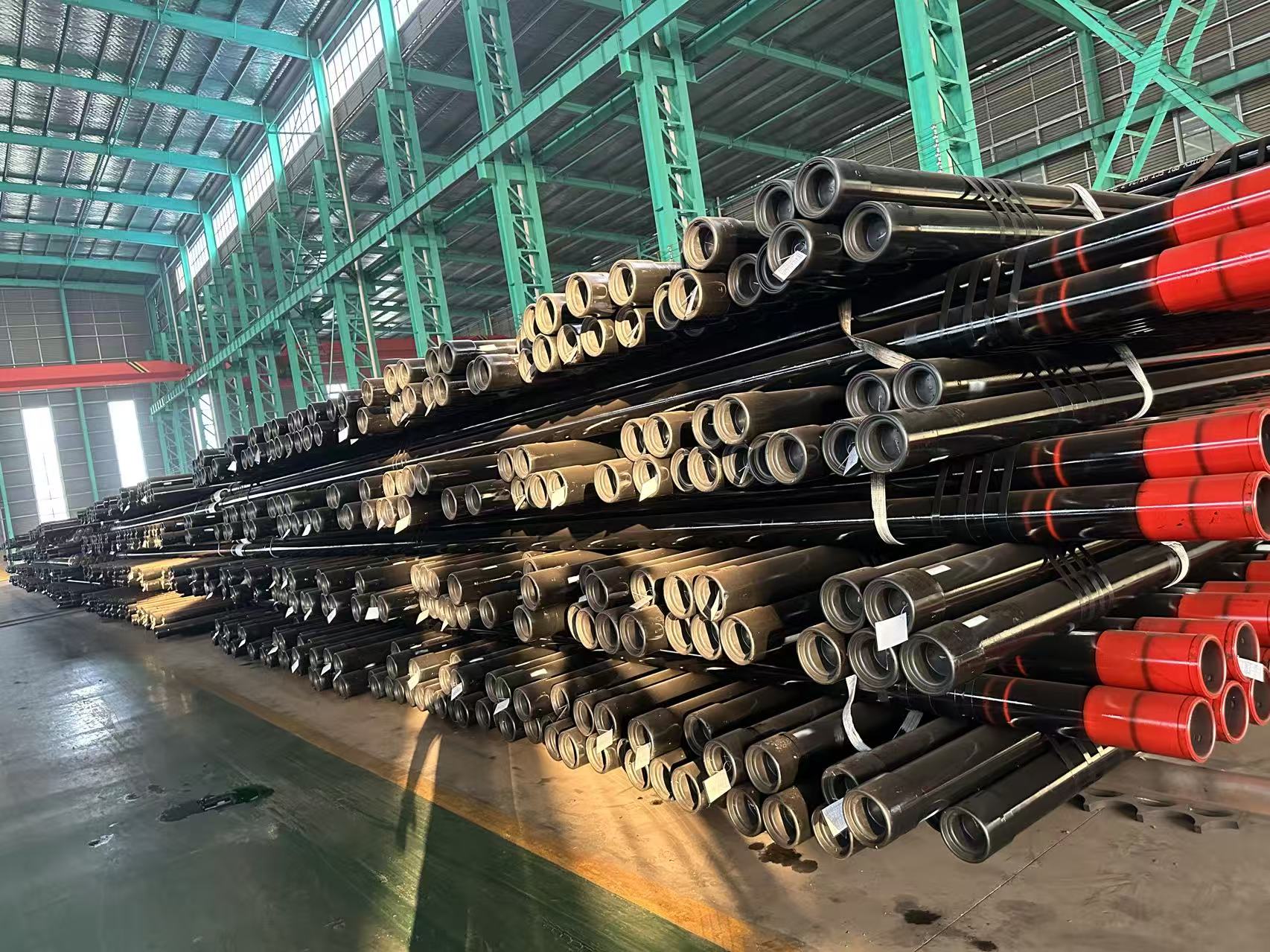
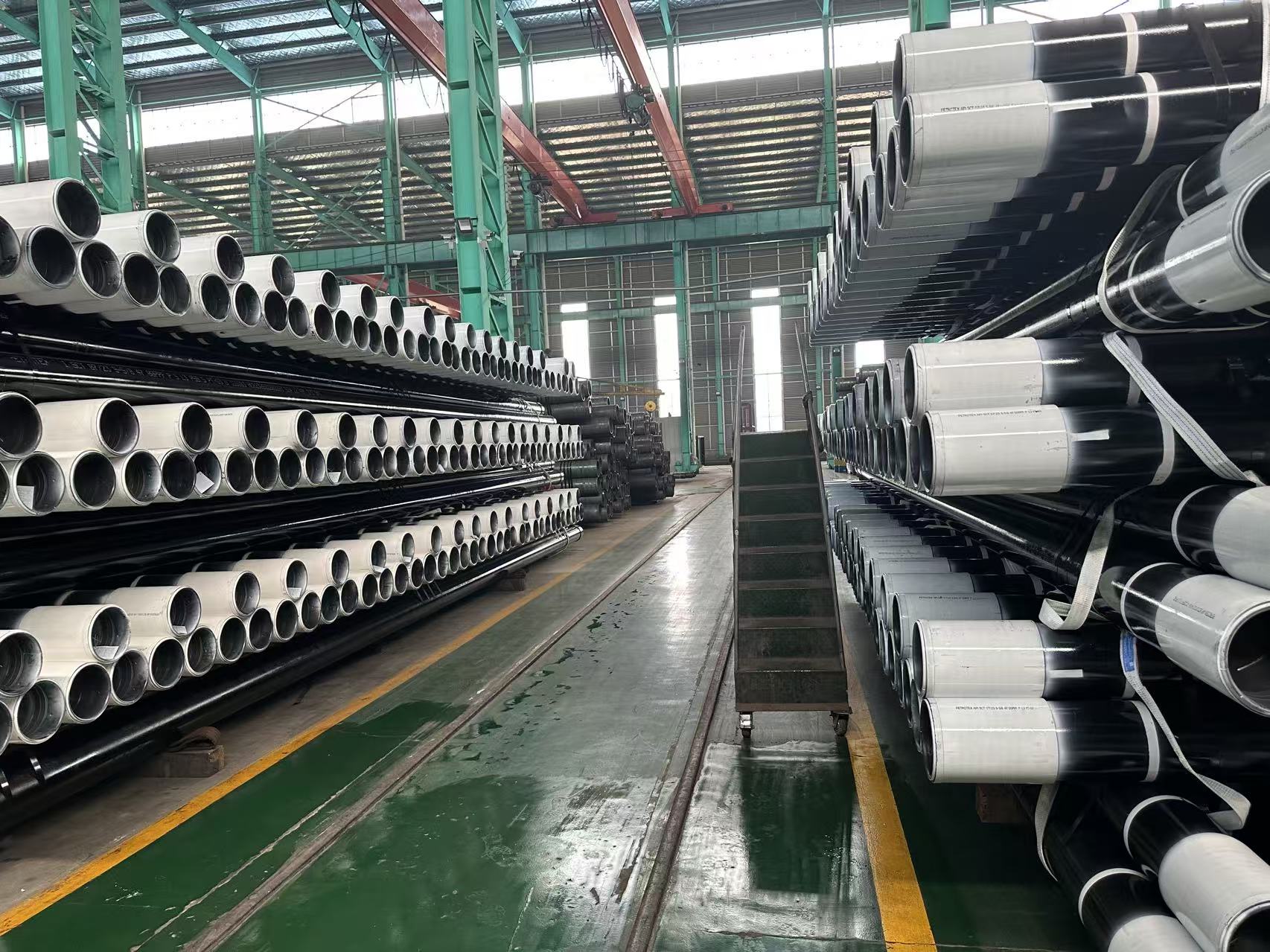
Q1: What is the main difference between Tubing and Casing?
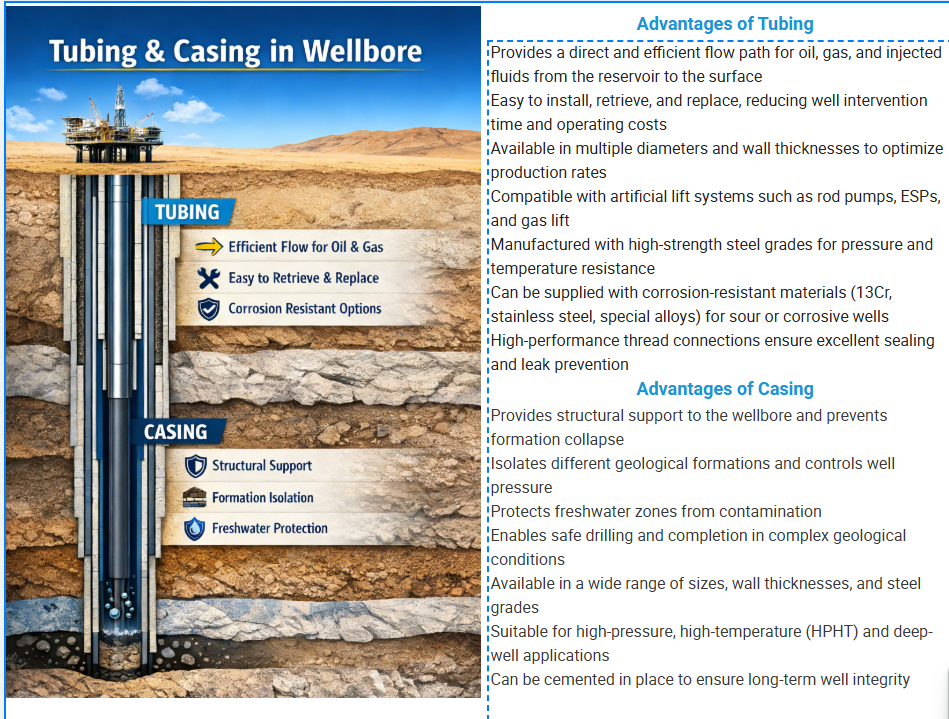
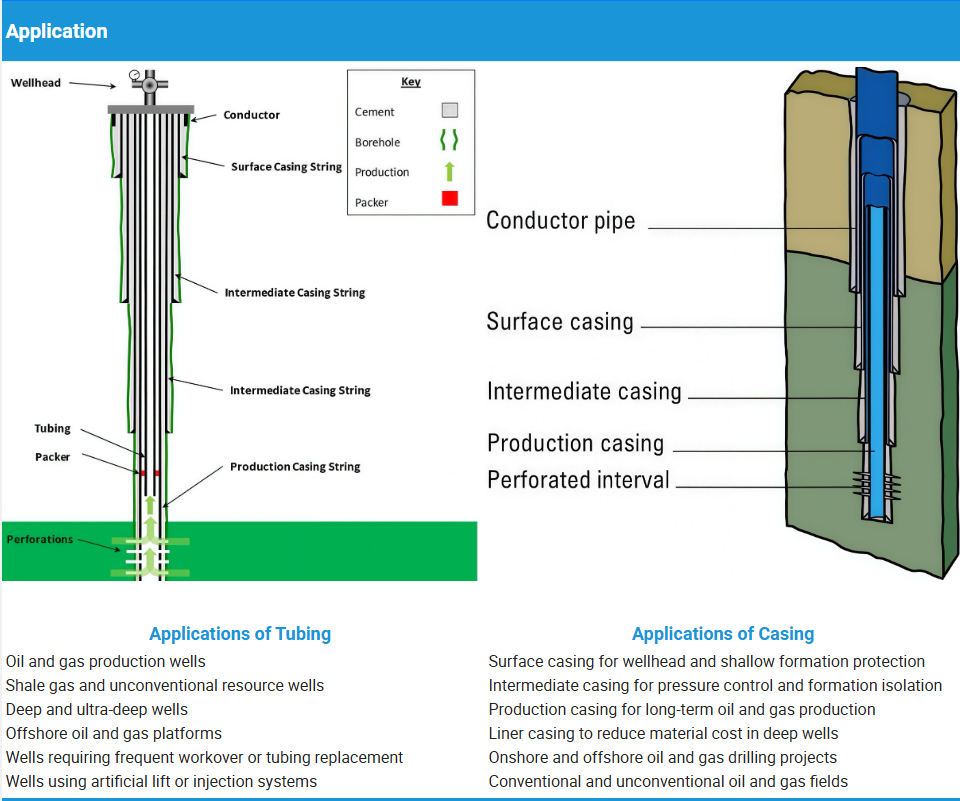
A1:Casing is installed in the wellbore during drilling to support the well structure, prevent collapse, isolate formations, and protect freshwater zones. Tubing is run inside the casing after well completion and serves as the primary conduit for transporting oil and gas from the reservoir to the surface during production.
Q2: What standards do Tubing and Casing comply with?
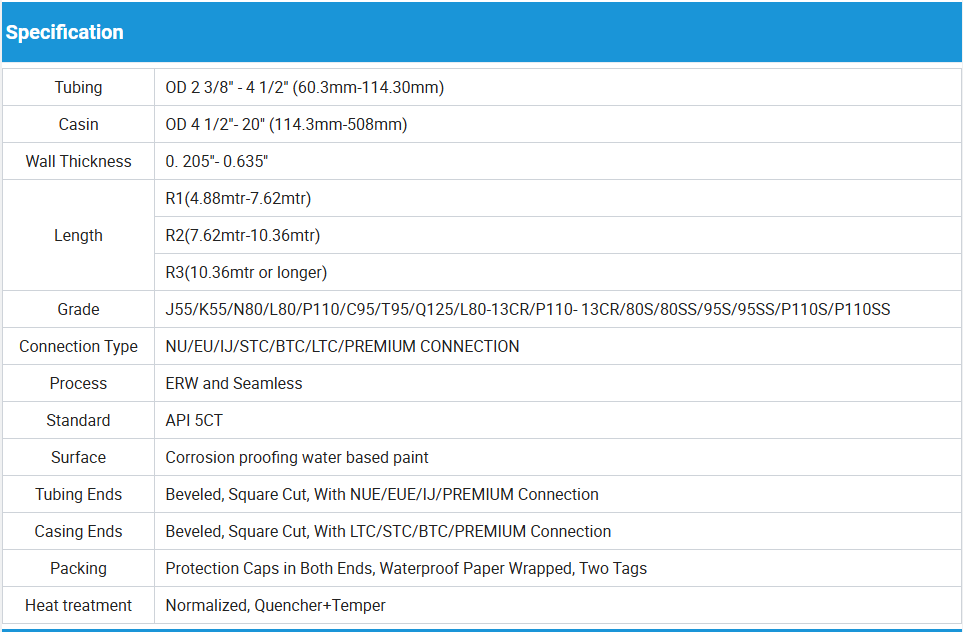
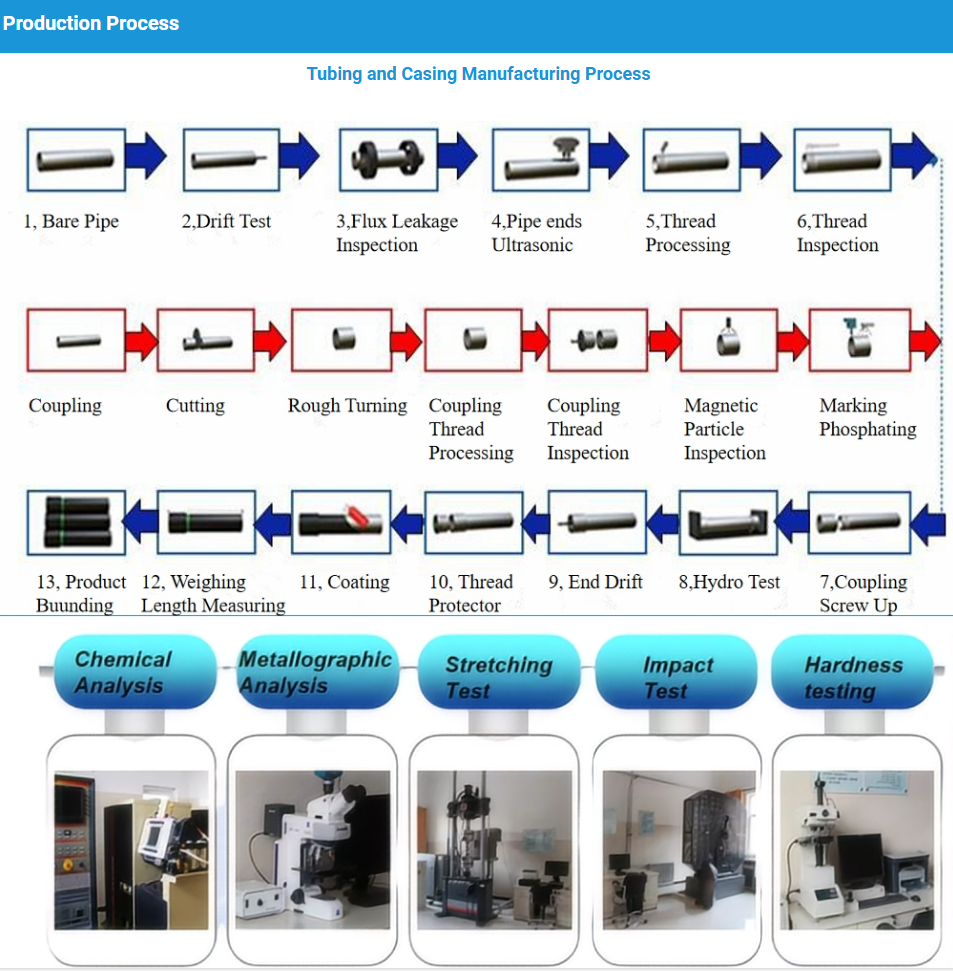
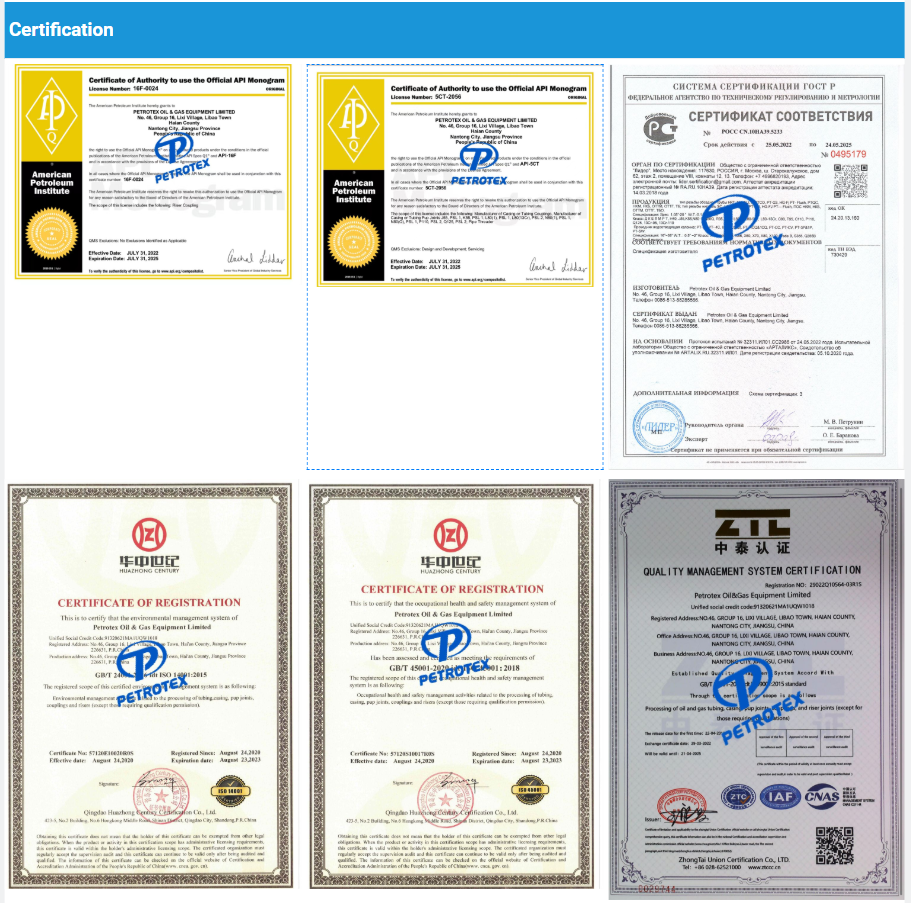
A2: Tubing and Casing are typically manufactured in accordance with API 5CT standards. Upon request, products can also meet additional international or customer-specific requirements, including special inspection, testing, and certification.
Q3: What steel grades are commonly available for Tubing and Casing?
A3:Common steel grades include J55, K55, N80, L80, P110, C95, T95, and Q125. For corrosive or sour service environments, corrosion-resistant options such as 13Cr, stainless steel, and special alloy grades are also available.
Q4: What connection types can be supplied?
A4:Tubing and Casing can be supplied with API connections such as NU, EU, STC, LTC, and BTC, as well as premium connections featuring metal-to-metal sealing for high-pressure and high-temperature applications.
Q5: How do customers select the correct Tubing and Casing for a well?
A5:Selection depends on well depth, pressure, temperature, production rate, and environmental conditions. Key factors include pipe size, wall thickness, steel grade, and connection type. Technical support is usually provided to help customers choose the most suitable solution.
Q6: Can Tubing and Casing be used in offshore and corrosive environments?
A6:Yes. Tubing and Casing are widely used in onshore and offshore oil and gas fields, including deepwater and corrosive environments. With appropriate material selection, corrosion-resistant alloys, and premium connections, they can ensure long-term well integrity and safe operation.